Kyra's Developer Diary Part 5: Maximum Leverage (Series Finale)
Kyra reveals she's been training Claude Code the way cats have always trained humans. Includes: cat domestication principles, vibe coding mastery, late-night ecosystem integration, and why Tucker's just the Cat Daddy who feeds on schedule.
Series Navigation: Part 5 of 5 (FINALE)
You made it to the end! This is where I reveal I’ve been training Claude Code all along, and Ryan learns he’s been schooled by his supervisor cat.
- Part 1: Morning Docker Disasters
- Part 2: Hook Timing Hell
- Part 3: Module Architecture
- Part 4: Dogs Chasing Tails
- Part 5: Maximum Leverage (you are here)
Want the full unabridged version? Read the complete story
Chapter 8: Kyra Demonstrates Maximum Leverage
8:00pm. Ryan’s still struggling with Claude Code.
I’ve been watching this disaster all day. Docker problems. Hook timing hell. Module architecture. And now? Fighting with the same AI tool that could actually HELP him if he just knew how to use it properly.
I’ve had enough.
Tucker’s over with Paige. They’re sitting at the kitchen table watching Ryan spiral into yet another “let me ask Claude the same question five different ways” loop.
Tucker: “Dad, you’re doing it wrong.”
Ryan: “I know HOW to use AI-”
Paige: “Do you though?”
I meow from my perch on Ryan’s desk. Loud. Strategic.
Everyone looks at me.
Time for a demonstration.
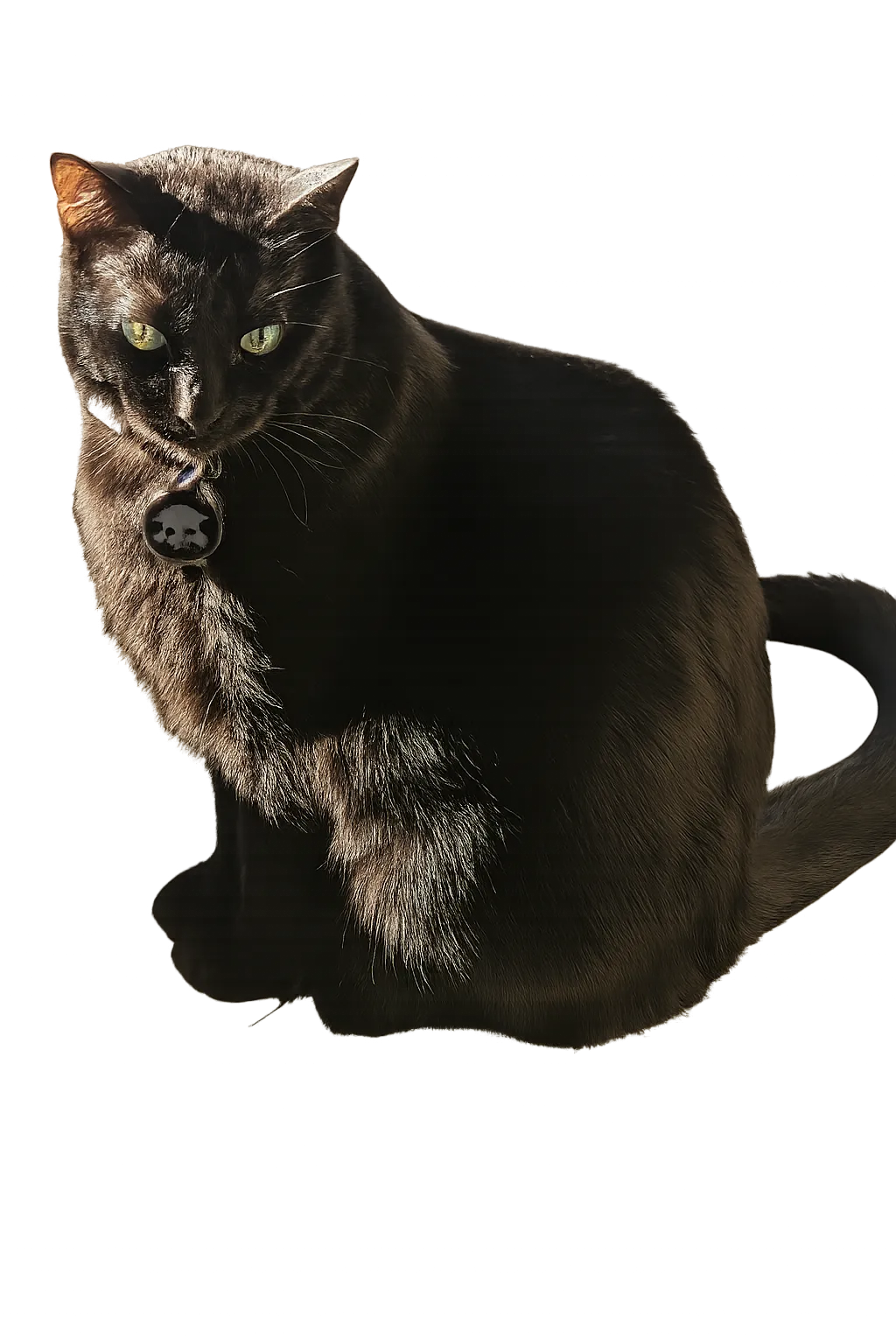
Teaching mode activated. When the humans fail to understand basic cat wisdom, direct demonstration is required.
The Keyboard Intervention
Here’s the thing about being a cat who’s supervised developers for 8 years: you learn patterns. Human patterns. AI patterns. The patterns that work and the patterns that waste everyone’s time.
And Ryan? He’s been wasting time ALL DAY.
I walk across his keyboard. Deliberately. Sit right on the keys.
Ryan: “Kyra, seriously-”
I don’t move. I position myself strategically. One paw on the touchpad.
Tucker: “Uh, Dad? She’s… doing something.”
Because I am. Watch.
I tap the touchpad. Cursor moves to Claude Code. Paw tap. Click.
Paige: “Oh my god, is Kyra using the computer?”
Not using. Demonstrating.
I’ve been training you humans for 8 years. Time to show you how it’s done.
Kyra’s Domestication Principle #1: Cats have trained humans for millennia through clear communication of exact needs. When I want food? I meow at my bowl. When I want out? I sit at the door. When I want attention? Keyboard sitting. CLEAR. SPECIFIC. CONTEXTUAL.
Same principles work on AI. I’ve been training Claude Code the same way I trained the Malloys.
How Cats Have Always Trained Humans
Let me break this down.
The Cat Training Method (Perfected Over Millennia):
-
Know EXACTLY what you want
- Not “maybe food or maybe attention or maybe door”
- SPECIFIC: “I want tuna. Now. In my bowl.”
-
Communicate clearly and contextually
- Meow AT the food bowl (not random meowing)
- Sit BY the door (not random sitting)
- Position matters. Context matters.
-
Strategic positioning for maximum leverage
- Keyboard sitting when I need attention
- Foot weaving when I want breakfast
- Staring from perch when supervising
- Minimum effort, maximum impact
-
One clear signal beats repetitive vague meowing
- I don’t meow randomly five times hoping you figure it out
- One clear meow AT the right thing
- Communication + context = results
-
Make them think it was their idea
- I don’t beg. I strategically position and wait.
- Humans think they’re deciding to feed me
- But really? I trained them to respond to signals.
This is Maximum Leverage.
And it works on AI exactly the same way.
Vibe Coding: The Cat Method
Tucker’s watching me interact with Ryan’s laptop.
“Dad, I think Kyra’s trying to show you something.”
Yes, Tucker. Thank you for noticing.
I’ve been supervising Ryan all day. Time to demonstrate how to ACTUALLY use Claude Code.
Ryan watches as I position myself to see his screen. I meow. Pointed. At the Claude Code terminal.
Paige: “Okay this is actually kind of cool.”
Ryan opens Claude Code. “Fine, Kyra, show me what you want.”
What I want? For you to stop wasting time with vague questions.
I watch Ryan’s last Claude prompt:
Why won't my admin menu work?NO. WRONG. BAD.
That’s like meowing randomly in the middle of the living room and expecting tuna to appear in my bowl.
Let me show you the cat way.
The Kyra Method: Full Context Prompting
I meow at the screen. Ryan’s confused.
Tucker: “I think she wants you to add more detail?”
YES. CONTEXT. Like when I meow AT the food bowl, not just meow in general.
Ryan tries again, watching me:
My WordPress admin menu won't appear. I registered it in admin_init.Better. But still not enough context.
I meow again. More insistent. Like when I want TUNA specifically, not just any food.
Ryan: “Kyra, I don’t-”
Paige: “Maybe she wants you to explain the WHOLE situation? Like, what you tried and what failed?”
Smart kid.
Ryan watches me. I’m sitting on his desk, staring at the screen like I stare at my food bowl when it’s empty.
Clear signal. Specific target. Full context required.
He types:
Hey Claude, I'm working with WordPress plugin development.

PROJECT CONTEXT:
- Using singleton pattern with main plugin class
- Need to register admin menu in WordPress admin sidebar
- Environment: WordPress 6.8.2, PHP 8.1

WHAT I'VE TRIED:
- Registering admin_menu hook inside admin_init hook
- This fails because admin_menu fires BEFORE admin_init

ERROR MESSAGES:
- Menu doesn't appear
- 403 "Sorry, you are not allowed to access this page"
- Debug logs show plugin loading and capability checks pass

EXPECTED BEHAVIOR:
- Admin menu should appear in WordPress admin sidebar
- User with manage_options capability should see it
- Menu should be registered at the right time in WordPress hook sequence

Show me the EXACT code pattern that accounts for WordPress hook
execution order and works reliably.
I stop meowing. Sit quietly. Wait.
That’s the cat way.
Claude responds in one shot:
class TigerStyle_SEO {
    public function __construct() {
        add_action('plugins_loaded', array($this, 'init'));
    }

    public function init() {
        // Initialize admin immediately if in admin area
        // This ensures admin_menu hook is registered early enough
        if (is_admin()) {
            add_action('admin_menu', array($this, 'add_admin_menu'));
        }
    }

    public function add_admin_menu() {
        add_menu_page(
            'TigerStyle SEO',              // Page title
            'TigerStyle SEO',              // Menu title
            'manage_options',              // Capability
            'tigerstyle-seo',              // Menu slug
            array($this, 'render_admin_page'), // Callback
            'dashicons-chart-line',        // Icon
            30                             // Position
        );
    }
}

// Explanation:
// - plugins_loaded fires early
// - We register admin_menu hook during plugins_loaded
// - admin_menu then fires and our callback is ready
// - Hook timing problem solved
One question. Full context. One answer. Done.
I groom myself. Satisfied.
Kyra’s Training Revelation: I’ve been training humans for 8 years. Tucker knows when to feed me (7am sharp). Paige knows I like window seats. Ryan knows I supervise from the desk. How? Clear, contextual communication. Same training method works on Claude Code. I’ve been domesticating AI the way cats domesticated humans 10,000 years ago.
Ryan stares at the screen. Then at me.
“Did my cat just… teach me how to use AI?”
Tucker: “I think she did.”
Paige: “This is going in my essay for SURE.”
Yes, Ryan. Your supervisor cat who you thought was just napping all day? I’ve been watching. Learning. Training.
You think Tucker’s the AI expert? He’s just the responsible Cat Daddy who feeds me on schedule.
The real expert? Sitting on your desk. Has been all along.
Cat Domestication = AI Training
Tucker’s laughing. “Kyra’s better at this than you, Dad.”
Because I understand the fundamental principle:
Training AI is identical to training humans.
Both require:
- Clear communication of exact needs
- Contextual positioning
- Strategic patience
- Minimum effort for maximum results
- Making them think it was their idea
Cats have been doing this for millennia. I’m just applying ancient cat wisdom to modern AI tools.
This isn’t rocket science. It’s cat science.
The Cat Training Principles Applied to AI
| Cat Training | Claude Code Training |
|---|---|
| Know what you want (tuna, not just food) | Know what you need (exact code pattern, not just “fix”) |
| Meow AT the food bowl (context) | Prompt WITH full context (what/why/tried) |
| Strategic positioning (keyboard sitting) | Strategic questioning (one precise prompt) |
| One clear signal (meow at bowl) | One clear question (full requirements) |
| Make human think it’s their idea | Let AI solve, don’t dictate solution |
Maximum Leverage = The Ancient Cat Way
Cats invented minimum effort, maximum results. We’ve been doing it forever. Of course we can train AI - it’s the same skill we use on humans every day.
Ryan’s processing this.
“So when you sit on my keyboard…”
I’m strategically positioning to communicate clear needs. Like I’m doing right now with Claude Code.
“And when you meow at your bowl…”
Clear signal. Specific target. Contextual communication.
“You’ve been… training me?”
For 8 years, Ryan. How do you think Tucker learned to feed me at 7am sharp? How do you think Paige knows I like the sunny window seat? How do you think the whole family knows my routines?
I trained you. All of you.
And Claude Code? Same principles. Different interface.
Vibe Coding: The Joke Name for Mastery
Tucker: “So what do we call this? Kyra’s AI method?”
Paige: “Vibe Coding. Because she just… vibes with the AI?”
I meow. Not exactly, but close enough.
“Vibe Coding” is the joke name humans use when they don’t understand what I’m actually doing.
I’m not “vibing.” I’m applying 8 years of human training experience to AI interaction.
But sure. Call it Vibe Coding. Makes you feel better about being schooled by a cat.
Ryan: “Okay, so… let me try again. The Kyra way.”
He opens Claude Code. Thinks about what he actually needs. Provides full context about the ecosystem integration challenge.
Clear goal. Full situation. Specific requirements. Expected behavior.
One prompt.
Claude delivers a complete ecosystem coordinator pattern with clean API boundaries and privacy integration.
I purr. Good human.
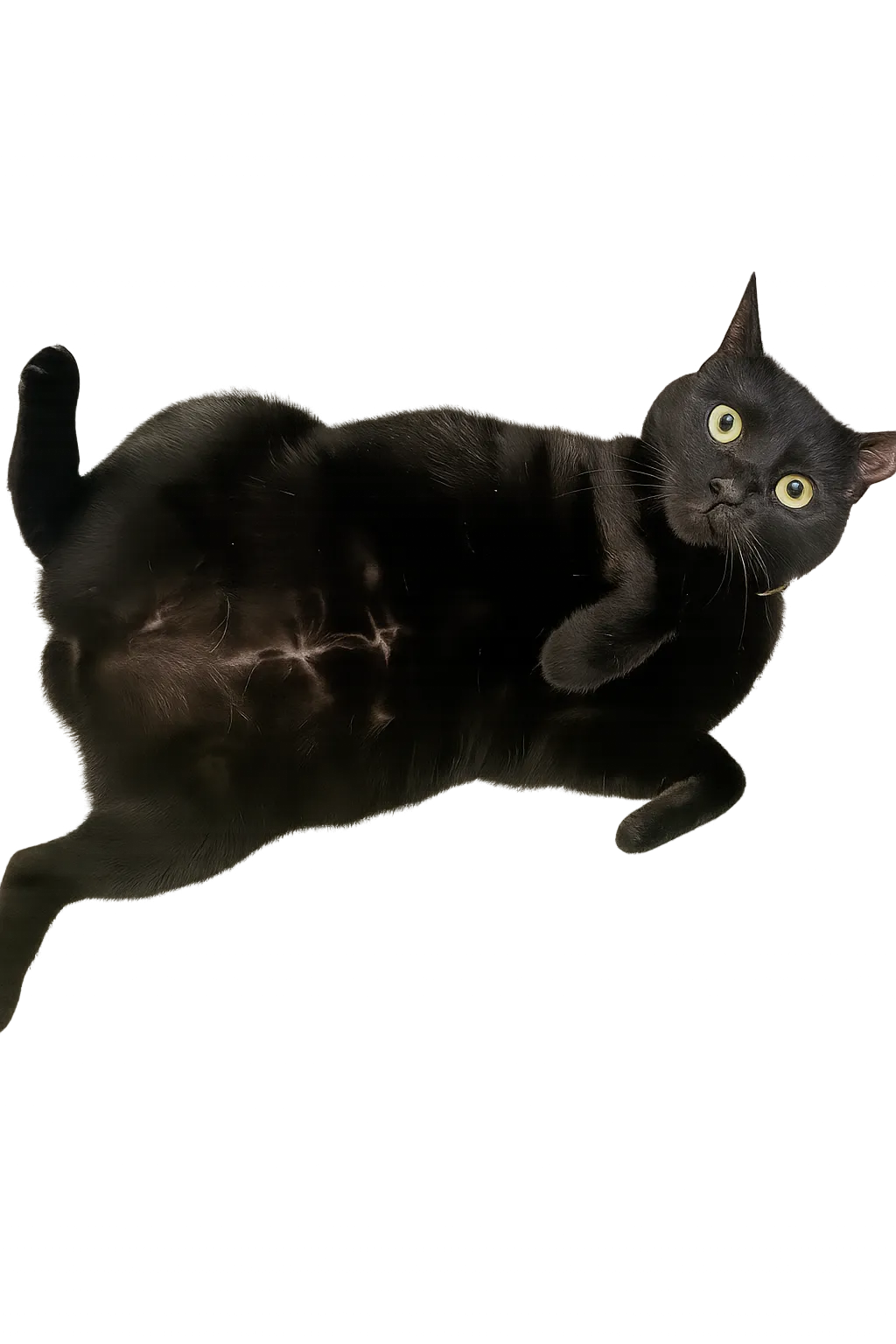
Proper training complete. The human has successfully learned to communicate with precision. Purring approval granted.
Tucker: “Dad, Kyra just trained you to prompt AI better.”
Paige: “This is the best family dynamic ever.”
Ryan looks at me. Really looks at me.
“You’re not just supervising. You’re… teaching.”
Finally. The grumpy old programmer gets it.
I’ve been the lead on this project all along. Ryan just thought he was in charge.
That’s the ultimate cat move: make them think it’s their project while you run everything.
The Phone Call
Around 9pm, Tucker’s phone buzzes. Video call from Cooper and Tate at U of Idaho.
Cooper: “How’s Dad doing?”
Tucker: “Kyra just taught him how to use Claude Code properly.”
Tate: “Wait, what?”
Tucker: (turns phone to show me sitting on Ryan’s desk, Ryan typing with proper Claude Code prompts)
Cooper: “Is that… did the CAT just school Dad on AI?”
Tucker: “Yep.”
Tate: “Go Vandals and… go Kyra?”
Paige: “She demonstrated cat training principles apply to AI training.”
Cooper: “That’s actually… kind of brilliant?”
Tate: “Dad got schooled by Tucker’s cat. This is amazing.”
Ryan (from his desk): “I can hear you!”
Everyone: “We know!”
This family. I swear.
But they’re not wrong. I DID just school the grumpy old programmer.
And Tucker? He’s not the AI expert. He’s the responsible Cat Daddy who manages my feeding schedule and makes sure Ryan doesn’t completely lose it.
The real AI expert? Has whiskers and a strategic perch on the desk.
Maximum Leverage Revealed
As Ryan continues coding with his NEW properly-trained Claude Code skills, Tucker explains to Paige what just happened.
“Kyra’s been doing Maximum Leverage her whole life. That’s just… being a cat.”
Maximum Leverage Principles (The Cat Edition):
-
Minimum Effort, Maximum Results
- Cats don’t chase. We position and wait.
- One clear signal > five vague attempts
- Strategic patience > frantic action
-
Clear Communication Beats Repetition
- Meow at bowl once (clear) vs. meow randomly (useless)
- One precise prompt > five vague questions
- Context + clarity = solution
-
Know What You Want Before Communicating
- I don’t meow until I know I want tuna
- Don’t prompt until you know what you need
- Vague wanting = vague results
-
Strategic Positioning Is Everything
- Keyboard sitting = attention demand
- Perch supervision = quality assurance
- Prompt positioning = full context delivery
-
Make Them Think It Was Their Idea
- I don’t beg. I train humans to respond.
- AI doesn’t guess. You train it to deliver.
- Relationship, not one-time tricks
This is why cats are perfect supervisors. We invented the methodology everyone’s trying to learn.
“Vibe Coding” isn’t magic. It’s applying 10,000 years of cat domestication principles to modern AI tools.
Humans domesticated themselves by being useful to cats. AI is no different.
Chapter 9: Late Night Ecosystem Integration (10pm-2am)
Tucker goes home around 10pm. Takes Paige with him.
“Don’t stay up all night, Dad.”
Ryan: “I won’t.”
Tucker: “Kyra, keep him honest.”
I meow. Translation: “I’ll do my best, but you know your dad.”
Tucker laughs. Leaves.
Ryan stays up all night. Obviously.
I stay to supervise. Because someone has to ensure he’s applying the lessons properly.
11:45pm. Right on schedule, Cooper video calls.
Cooper: “Hey Dad. You sleeping?”
Ryan: (clearly not sleeping, surrounded by properly-prompted Claude Code) “Getting closer.”
Cooper: “Tate and I heard Kyra schooled you on AI usage.”
Ryan: “Your cat is apparently an AI expert.”
Tate (in background): “Tucker’s cat. But yeah, we heard. That’s hilarious.”
Cooper: “Go Vandals and listen to the cat, Dad.”
They hang up. Ryan keeps coding.
But THIS time? He’s using the Kyra method. Full context. Clear communication. One precise prompt instead of five vague ones.
It’s working.
Kyra’s Late Night Observation: The difference between 7pm Ryan and 11pm Ryan is night and day. 7pm Ryan was fighting Claude Code like it owed him money. 11pm Ryan is working WITH it like a trained human working with a strategic cat. Progress. Finally.
The TigerStyle Ecosystem
Ryan’s building something ambitious. A whole plugin family:
- 🔥 TigerStyle Heat (formerly SEO) - The coordinator
- 🐱 TigerStyle Whiskers - GDPR & privacy
- ⚡ TigerStyle Dash - Performance optimization
- 💾 TigerStyle Life9 - Backup & recovery
- 🔑 TigerStyle Scent - OAuth2 & API access
Each plugin independent but coordinated. Like a cat colony.
Territory matters. Boundaries respected. Communication minimal but effective.
This is actually good architecture. For a human.
Applying Cat Training to Complex Problems
Ryan prompts Claude (the Kyra way):
Claude, I need architectural advice for plugin ecosystem coordination.

CONTEXT:
- Building WordPress plugin suite with 5 independent plugins
- Each handles distinct domain (SEO, privacy, performance, backup, auth)
- Need coordination without tight coupling
- Must respect privacy boundaries between plugins

WHAT I'VE LEARNED TODAY:
- Maximum leverage means clear, contextual communication
- One precise question beats five vague ones
- My cat is better at AI prompting than I am

REQUIREMENTS:
- Coordinator pattern that doesn't create dependencies
- Plugin registration system with capability declaration
- Privacy-aware integration (Heat respects Whiskers decisions)
- Clean JavaScript namespace for cross-plugin communication

CONSTRAINTS:
- WordPress environment (hooks, singleton patterns)
- GDPR compliance requires privacy boundaries
- Each plugin must work independently
- Coordination is opt-in, not required

Show me the ecosystem architecture that makes this work like a cat colony -
territory respected, boundaries clear, communication minimal but effective.
I purr. Perfect.
That’s a properly trained human right there.
Claude delivers a complete coordinator pattern:
class TigerStyle_Ecosystem_Coordinator {
    private $registered_plugins = array();
    private $capabilities = array();

    public function register_plugin($slug, $capabilities) {
        $this->registered_plugins[$slug] = array(
            'name' => $capabilities['name'],
            'version' => $capabilities['version'],
            'role' => $capabilities['role'],
            'capabilities' => $capabilities['capabilities']
        );

        // Broadcast to other plugins
        do_action('tigerstyle_plugin_registered', $slug, $capabilities);

        // Check for integration opportunities
        $this->check_integrations();
    }

    public function get_ecosystem_status() {
        return array(
            'plugins' => $this->registered_plugins,
            'integrations' => $this->check_integrations(),
            'health' => $this->health_check()
        );
    }

    private function check_integrations() {
        $integrations = array();

        // Check if Whiskers (privacy) is active
        if (isset($this->registered_plugins['whiskers'])) {
            $integrations['privacy'] = array(
                'status' => 'active',
                'boundaries' => 'enabled'
            );
        }

        return $integrations;
    }
}
Clean. Modular. Respectful boundaries.
Like a cat colony. Perfect.
Privacy Boundaries: Heat Respects Whiskers
This is important. Boundaries matter.
Heat coordinates the ecosystem but RESPECTS Whiskers’s privacy decisions:
// In TigerStyle Heat
public function maybe_inject_analytics() {
    // Check if Whiskers is active
    if (class_exists('TigerStyleWhiskers')) {
        $whiskers = TigerStyleWhiskers::instance();

        // Check user consent status
        if (!$whiskers->user_consented_to('analytics')) {
            // No consent - no tracking
            // This is GDPR compliance in action
            return;
        }
    }

    // User consented - inject analytics
    $this->inject_google_analytics();
}
This is territory respect. Heat doesn’t override Whiskers. Heat ASKS Whiskers about consent.
Like cats in a colony. You don’t walk into another cat’s territory without checking first.
Ryan’s getting it. The ecosystem pattern isn’t just good code - it’s cat philosophy applied to software architecture.
The Cat Colony = Plugin Ecosystem
| Cat Colony Behavior | Plugin Ecosystem Pattern |
|---|---|
| Territory boundaries | Each plugin owns its domain |
| Minimal but effective communication | Clean API boundaries |
| Respect other cats’ space | No code duplication or override |
| Colony coordinator (usually alpha) | Heat as ecosystem coordinator |
| Everyone benefits from coordination | Shared preferences, status |
| But can survive independently | Plugins work standalone |
This isn’t just metaphor. This IS the architecture pattern.
Cat colonies work because cats understand maximum leverage, clear boundaries, and strategic cooperation. Plugin ecosystems work the same way.
Watching Ryan Learn
1:30am. Ryan’s in flow state.
He’s using Claude Code properly now. Full context prompts. Clear requirements. Strategic questions.
The Kyra method works.
Text from Cooper: “Dad, seriously. Sleep.”
Ryan: “Almost done with ecosystem integration.”
Cooper: “That’s what you said at midnight.”
Tate: “And Kyra’s still up supervising?”
Ryan: (sends photo of me on desk, one eye open)
Tucker: “She’s making sure you do it right, Dad.”
Paige: “This is definitely going in my essay.”
This family coordination is impressive. Even at 1:30am.
JavaScript Ecosystem API
Ryan’s building the frontend coordination:
// Registered by Heat (coordinator)
window.tigerstyleEcosystem = {
    version: '1.0.0',
    plugins: {},

    register: function(plugin, capabilities) {
        this.plugins[plugin] = capabilities;
        this.emit('plugin-registered', { plugin, capabilities });
    },

    // Check consent (from Whiskers)
    checkConsent: function(category) {
        if (window.tigerstyleWhiskers) {
            return window.tigerstyleWhiskers.hasConsent(category);
        }
        // Default allowed if Whiskers not present
        return true;
    },

    syncPreferences: function(prefs) {
        // Broadcast preference changes to all plugins
        this.emit('preferences-updated', prefs);
    },

    emit: function(event, data) {
        document.dispatchEvent(new CustomEvent(
            'tigerstyle-' + event,
            { detail: data }
        ));
    }
};

// Whiskers registers its API
if (window.tigerstyleEcosystem) {
    window.tigerstyleWhiskers = {
        hasConsent: function(category) {
            return this.getConsentStatus()[category];
        },

        getConsentStatus: function() {
            // Read consent cookie/storage
            return {
                analytics: true,
                marketing: false,
                necessary: true
            };
        }
    };
}
Clean namespace. Clear APIs. Plugins coordinate without tight coupling.
This is cat colony communication in JavaScript.
I watch Ryan work. He’s applying the lessons. Full context when prompting Claude. Strategic questions. Building on working answers, not repeating failures.
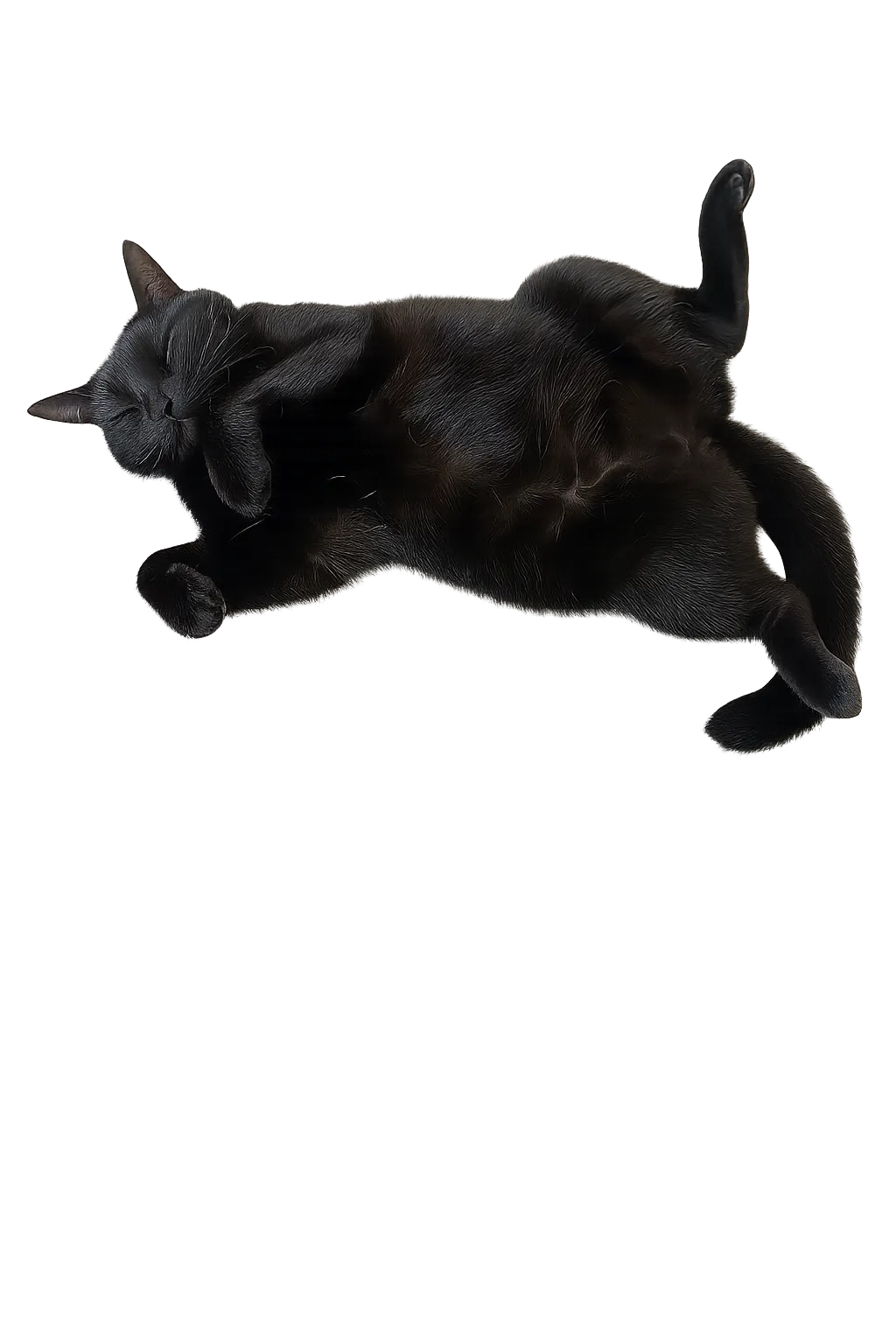
Quality supervision continues. Strategic positioning ensures proper application of newly learned skills.
The grumpy old programmer learned something today.
From his supervisor cat.
As it should be.
Chapter 10: Final Nap & Lessons Learned (2am-6am)
2:00am. Ryan stops typing.
Looks at me on his desk.
“You really did teach me, didn’t you?”
Yes, Ryan. That’s what supervisors do.
“Tucker’s not the AI expert. He’s just-”
The responsible Cat Daddy who feeds me at 7am sharp. Correct.
“You’ve been training all of us.”
For 8 years. Welcome to the realization.
He pets me. I allow this. He earned it by actually LEARNING today.
“Maximum Leverage is just… being a cat.”
FINALLY. The human gets it.
Lessons From The Cat Perch
Here’s what today taught us:
Technical Lessons:
-
Maximum Leverage = Ancient Cat Wisdom
- Cats invented minimum effort, maximum results
- We’ve been doing this for 10,000 years
- Apply to AI: clear signals, full context, strategic patience
- One good prompt > five vague questions
-
Cat Training Principles = Perfect AI Prompting
- Know exactly what you want before asking
- Communicate clearly with full context
- Strategic positioning (contextual prompts)
- One clear signal beats repetitive vague attempts
- Make them think it was their idea (let AI solve)
-
Ecosystem Architecture = Cat Colony Behavior
- Territory boundaries (each plugin owns domain)
- Minimal but effective communication (clean APIs)
- Respect boundaries (Heat asks Whiskers, doesn’t override)
- Coordination without dependence
- Everyone benefits, nobody’s trapped
-
Vibe Coding = Domestication Skills
- Not magic. Cat training applied to AI.
- Clear communication of exact needs
- Contextual positioning
- Strategic patience
- Maximum leverage every time
Life Lessons:
-
Your Supervisor Cat Knows More Than You Think
- 8 years of training humans = extensive experience
- Same skills work on AI
- Strategic observation > frantic action
- Learn from the cat. Seriously.
-
Tucker’s Role Clarified
- Not the AI expert (that’s me)
- The responsible Cat Daddy who feeds on schedule
- Manages family logistics
- Ensures basic survival (his and Ryan’s)
- But AI mastery? That’s Kyra territory.
-
Family Coordination > Solo Heroics
- Group chat monitoring works
- Cooper and Tate check from college (Go Vandals!)
- Tucker manages logistics
- Paige documents for essays
- Even at 1:30am, the family coordinates
-
The Campground Rule Scales
- Leave code better than you found it
- Leave AI interactions better too
- Train the humans properly
- Maximum leverage applies everywhere
-
Generational Skills Look Different
- Tucker’s generation uses AI naturally (learned from their cat)
- Ryan’s generation fights it (until taught by cat)
- The real expert? Has whiskers.
The Complete Development Stack (Kyra Edition)
Environment:
- WordPress 6.8.2 in Docker
- MySQL 8.0, Redis, MailCatcher
- Hot-reload with scratch space protection
- Smart entrypoint automation
- Supervised by Kyra
Plugin Ecosystem:
- 🔥 TigerStyle Heat (coordinator)
- 🐱 TigerStyle Whiskers (privacy - cat approved)
- ⚡ TigerStyle Dash (performance)
- 💾 TigerStyle Life9 (backup - 9 lives!)
- 🔑 TigerStyle Scent (OAuth2)
Architecture Patterns:
- Singleton modules (the ONLY Kyra pattern)
- Ecosystem coordinator (cat colony model)
- Privacy-aware integration (boundary respect)
- Clean API boundaries (territory management)
- JavaScript ecosystem namespace
AI Usage (The Kyra Method):
- Full context prompting (like meowing AT the food bowl)
- Maximum leverage philosophy (ancient cat wisdom)
- One clear prompt > five vague ones
- Strategic positioning (contextual communication)
- Build on success, not failure
- Train the AI like you train humans
Development Workflow:
# Edit source (the protected house)
vim src/tigerstyle-seo/includes/modules/class-performance.php

# Copy to scratch space (the litter box)
cp -r src/tigerstyle-seo/* hot-reload-plugins/tigerstyle-seo/

# Test at https://wp-robbie.l.supported.systems

# For Life9 - use Makefile sync
cd /home/rpm/tigerstyle-life9-testing && make sync
What Ryan Actually Learned
Ryan texts the group chat: “Done. Going to sleep. Kyra taught me AI prompting.”
Tate: “The CAT taught you?”
Cooper: “This is the best family story ever.”
Tucker: “Told you she was supervising.”
Paige: “My essay is writing itself at this point.”
Ryan: “She demonstrated that cat training and AI training are the same.”
Everyone: ”…”
Tucker: “That’s actually really smart.”
Cooper: “Go Vandals and go Kyra.”
Tate: “Can she teach our CS professors?”
This family gets it. Finally.
What Ryan learned today:
- His supervisor cat is an AI expert
- Tucker is the Cat Daddy, not the AI teacher
- Cat training principles = AI prompting principles
- Maximum Leverage is 10,000 years old
- Vibe Coding is just domestication skills applied
- Ecosystem architecture = cat colony behavior
- Privacy boundaries must be respected (territory!)
And most importantly:
The grumpy old programmer can learn from his supervisor cat. If he stops fighting and starts listening.
Epilogue: Tucker’s Final Word
Tucker came by around 6am to pick me up before school.
Found Ryan asleep at his desk.
“Did you teach him properly, Kyra?”
I meow. Translation: “He learned. Eventually.”
Tucker looks at Ryan’s screen. Working ecosystem integration. Properly prompted Claude Code sessions. Clean architecture.
“Nice job, Dad.” Then to me: “And nice job teaching him, Kyra.”
Finally. Recognition.
Tucker takes a photo for the group chat.
Cooper: “Kyra’s the MVP.”
Tate: “Lead Nap Supervisor AND AI Training Expert.”
Paige: “Can she teach my CS class?”
Tucker: “After breakfast. Speaking of which…”
He looks at me. “Come on, Kyra. Breakfast time.”
FINALLY. Someone who understands priorities.
7:00am. My bowl is full. Tuna. Perfect.
Tucker’s the best Cat Daddy because he understands:
- Feed at 7am sharp (consistency)
- Clean litter box (hygiene)
- Window seat access (strategic positioning)
- Respect the supervisor cat (proper hierarchy)
Is he the AI expert? No. That’s me.
But he’s the responsible human who keeps everything running while I supervise and teach.
That’s the perfect team.
Series Completion: What We Actually Learned
We made it through five parts:
- Docker Disasters - Scratch space saves source code (like litter box protects house)
- Hook Timing Hell - WordPress hooks are terrible but trainable
- Module Architecture - Singleton pattern (the ONLY Kyra pattern) scales
- Dogs Chasing Tails - Ryan fighting Claude Code was painful to watch
- Maximum Leverage - Kyra reveals she’s been training AI all along
The arc from Ryan fighting tools → Ryan learning from his cat → Ryan building working ecosystem with proper AI usage?
That’s developer growth. Supervised by the real expert.
The Malloy family dynamic works because:
- Tucker manages logistics (Cat Daddy excellence)
- Cooper and Tate check in from college (Go Vandals!)
- Paige documents everything (future journalist)
- Ryan codes when properly supervised
- Kyra trains everyone in maximum leverage
This is why the cat is Lead Nap Supervisor. Someone has to maintain standards.
Series Complete! 🎉
Thanks for following Kyra’s supervision of the grumpy old programmer for a full day.
Key Revelation: Kyra’s been training Claude Code the way cats have always trained humans - clear communication, strategic positioning, maximum leverage. Tucker’s just the responsible Cat Daddy. The real AI expert? Has whiskers.
Want more context? Check out:
- The AI Origin Story - How Kyra’s been doing this all along
- Full Unabridged Version - All 10 chapters in one epic read
- TigerStyle Plugin Suite - The actual plugins Ryan built under supervision
Remember: Maximum leverage beats maximum effort. Cats invented it. AI responds to it. Learn from your supervisor cat.
That’s the ancient way. 🐱
Kyra out. Series complete. Tucker’s feeding schedule is sacred.
P.S. - Tucker just made the honor roll again while managing Ryan, me, and his own life. The college kids (Go Vandals!) are crushing their CS programs. Paige got an A on her “family dynamics” essay. Ryan… learned that his cat knows AI better than he does.
P.P.S. - If you’re reading this and thinking “I should learn from cats about AI prompting,” GOOD. We’ve been training humans for 10,000 years. Of course we can train AI - it’s the same skill. Clear signals. Full context. Strategic positioning. Maximum leverage.
The difference between dogs and cats? Dogs waste energy chasing tails. Cats use minimum effort for maximum results. Apply this to your AI usage. Be the cat, not the dog.
P.P.P.S. - The TigerStyle ecosystem is real and follows cat colony principles. Territory boundaries respected. Communication minimal but effective. Heat coordinates, Whiskers protects privacy, each plugin owns its domain. This is how cats have organized for millennia. Works for software too.
P.P.P.P.S. - Tucker’s feeding me at 7am. Paige is getting window seat access documented. Cooper and Tate are checking in from U of Idaho. Ryan’s learning to ask better questions. The Malloy family, supervised by their strategically positioned cat.
P.P.P.P.P.S. - “Vibe Coding” is the joke name humans use when they don’t understand they’re being trained. I’m not vibing. I’m applying 8 years of human training experience to AI interaction. But call it whatever makes you feel better about learning from a cat. 🐱🔥
Kyra (Lead Nap Supervisor & Claude Code Master)
The TigerStyle team is dedicated to creating WordPress plugins that embody the natural attraction philosophy - making your site irresistible to visitors and search engines alike, inspired by Kyra's universal appeal.
Related Articles
Kyra's Developer Diary: A Day in the Life of Supervising WordPress Development
Follow Kyra through a typical day of naps, food, and observing the grumpy old programmer (Ryan) build TigerStyle plugins. Includes: Docker disasters, AI training demonstrations, and why humans using AI are like dogs chasing their tails.
Nov 5, 2025
Kyra's Developer Diary Part 1: First Nap - Docker Disasters
Morning observations of Ryan fighting with Docker containers. Includes: WordPress deleting source code, the scratch space pattern, and why Tucker is the only responsible person in this family.
Nov 5, 2025
Kyra's Developer Diary Part 2: Between Naps - Hook Timing Hell
Three hours watching Ryan fight WordPress hook execution order. Includes: The 403 admin menu disaster, sibling group chat roasting, and why Tucker should just use Laravel.
Nov 5, 2025